Anatomy before automation
Every joint has a reason and a reference. We place skeletons from landmarks and muscle origins, then automate the repetitive parts — never the judgement.
SkeletalMesh is a specialist studio bridging 3D art and technical animation. Our work lives in the space where anatomy meets engineering — and we partner with studios who understand that rigging is not a commodity.
We started SkeletalMesh because the most important part of a digital human is the part nobody is meant to notice. When a shoulder collapses on a raised arm, when a smile reads as a shape and not an emotion, the failure is almost never in the sculpt or the shader — it is in the architecture underneath.
So we do one thing: skeletal, muscular and facial systems for characters that have to perform. Some are hero characters for cinematics. Some are real-time avatars carrying a live performance into an engine. Both need the same discipline — anatomical reasoning, tested deformation, and a pipeline that keeps working after we leave.
We work directly with animation supervisors, character leads and technical directors. No account layer, no handoff telephone game.
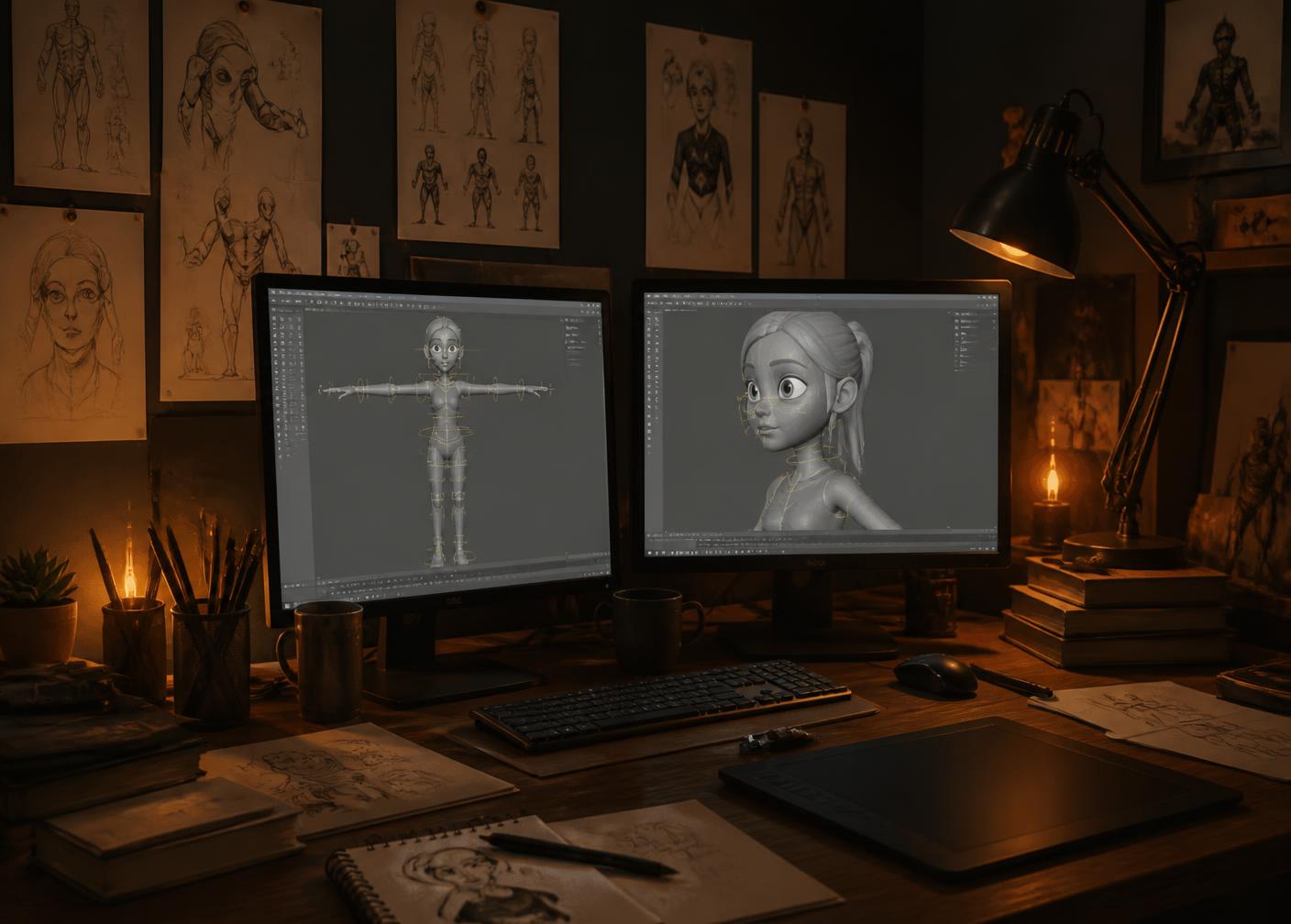
Every joint has a reason and a reference. We place skeletons from landmarks and muscle origins, then automate the repetitive parts — never the judgement.
A rig that only its author can maintain is a liability. Naming conventions, build scripts and written specs ship with the asset.
Deformation is designed against the frame budget it has to live in, not discovered to be too expensive after the fact.
A limited number of concurrent characters, reviewed by the people who built them. Capacity is scheduled, not stretched.
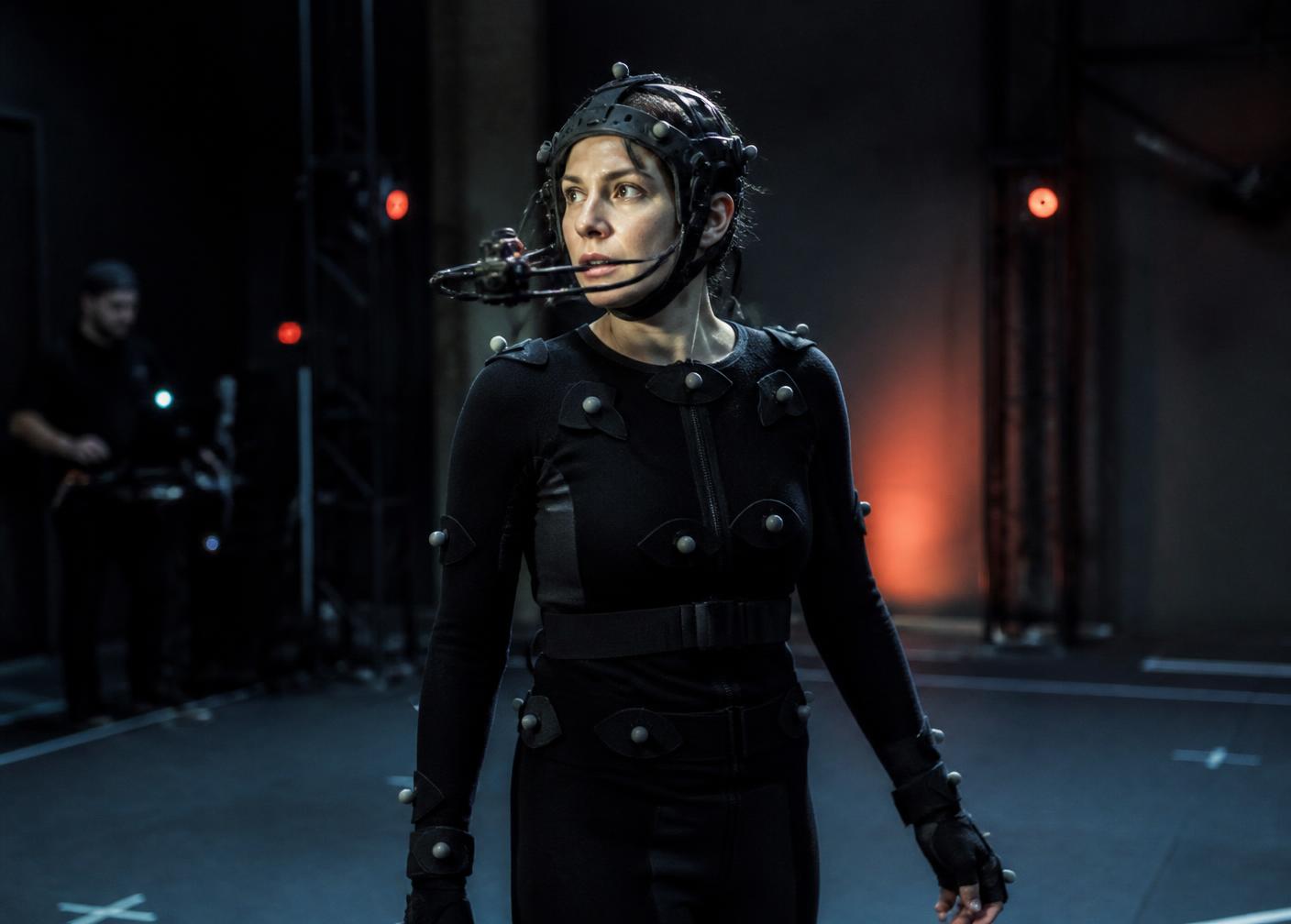
A performance is captured as data: marker positions, depth frames, blendshape weights. Our rigs decide what that data becomes. Get the translation layer right and an actor's intention survives all the way into the engine; get it wrong and no amount of lighting rescues it.
Send us the mesh, the target engine and the deadline. We will reply with a scope, a rig spec and a fixed timeline.