The invisible architecture beneath believable digital humans.
SkeletalMesh builds anatomically-informed muscle-skeletal rigs and ARKit-native facial systems that translate performance into data — data that drives MetaHuman and real-time engines without losing the actor.
- 52
- ARKit shapes shipped per facial rig
- 4
- Review gates from spec to handoff
- 1
- Discipline, done properly
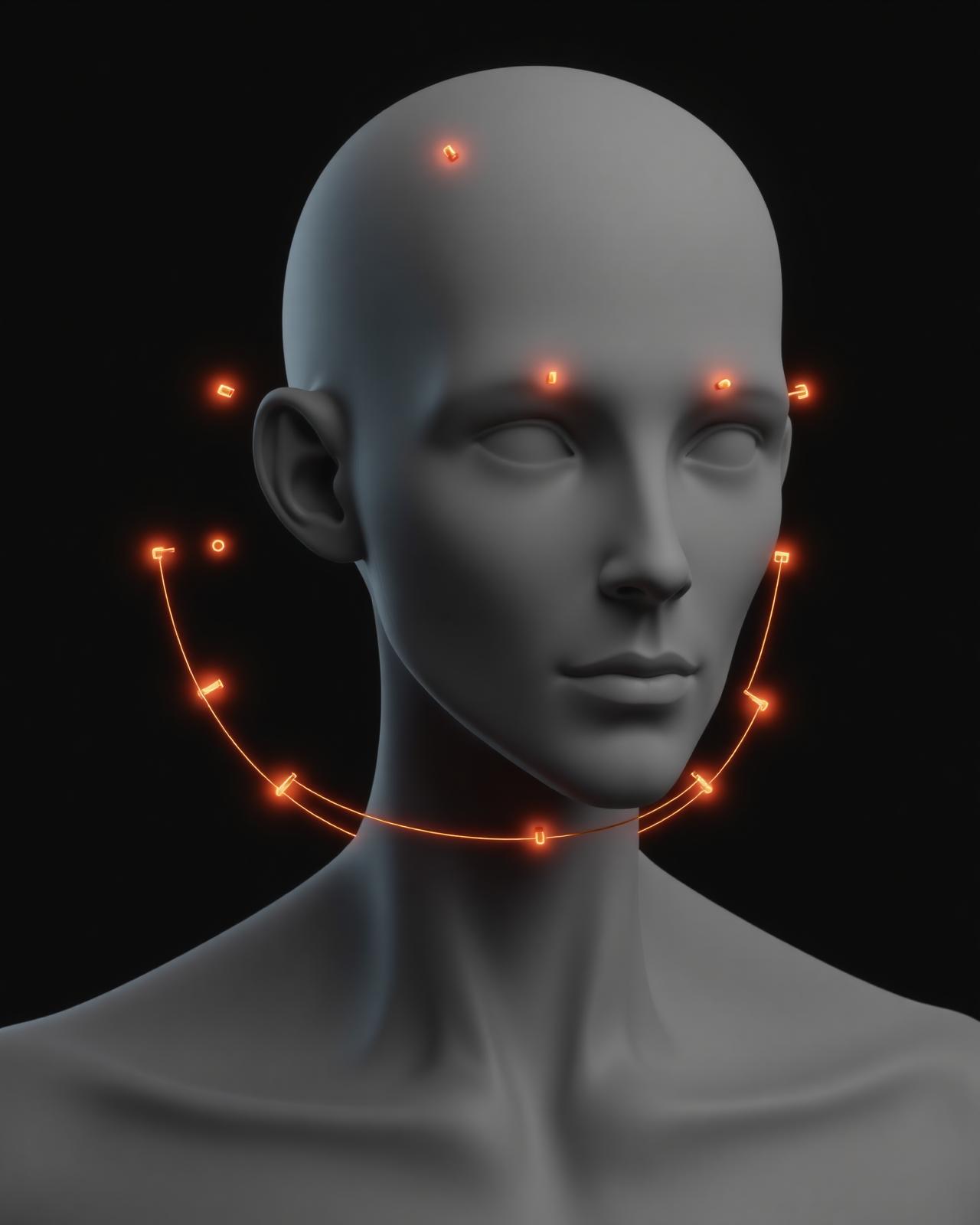
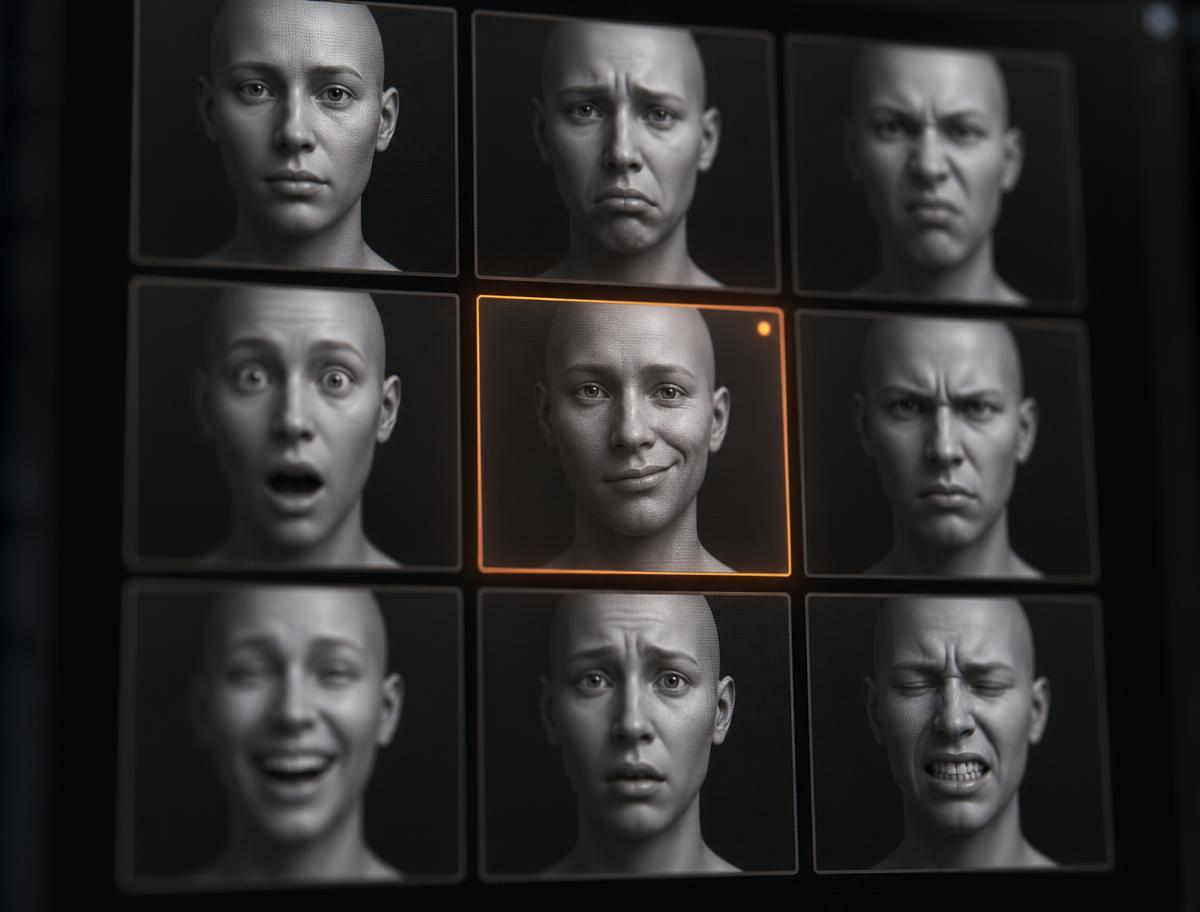
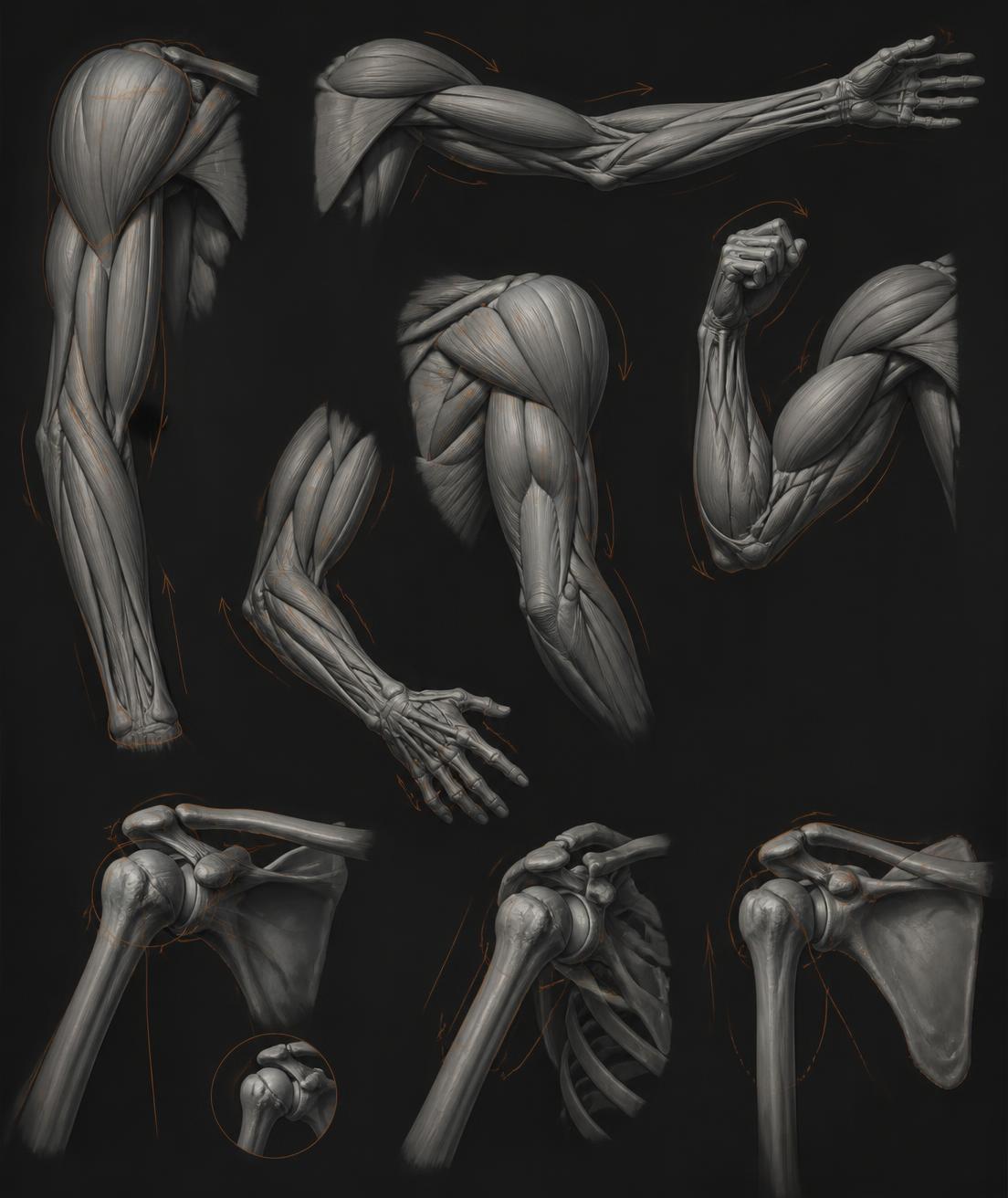
Our work lives in the space where anatomy meets engineering. We partner with studios who understand that rigging is not a commodity — it is craft.
Four systems, one underlying discipline.
Muscle-skeletal rigs
Skeletons placed from anatomical landmarks, with layered muscle deformation that preserves volume through full range of motion.
ARKit facial systems
All 52 ARKit shapes as a native rig output, sculpted on the character's own anatomy and calibrated to your actor.
MetaHuman integration
Custom deformation and controls layered onto MetaHuman bases without breaking Unreal's animation and LOD pipeline.
Real-time budgeting
Film-quality deformation baked down to skinning and correctives that hold inside an engine frame budget.
A boutique practice, scheduled rather than stretched.
We take a limited number of concurrent characters so the people who design a rig are the people who test it. Deliverables include build scripts, naming conventions and a written handoff — because a rig only your author understands is a liability.
About SkeletalMeshAnatomy before automation
Joints placed from landmarks and muscle origins, with references documented in the rig spec.
Tested in motion
Every pass is reviewed against a range-of-motion suite and your hardest production poses.
Handed off cleanly
Scripts, conventions and known limits written down so your TDs stay independent.
Questions studios ask before the first rig
Have a character that has to hold up under performance?
Send us the mesh, the target engine and the deadline. We will reply with a scope, a rig spec and a fixed timeline.